
How Do I Know If I Am Ready for a Hair Transplant? | Cendant
A hair transplant is a medical procedure, not a same-week style change. You are closer to ready when hair loss has a clear pattern, your donor hair is stable enough to move, and you understand what a graft can and cannot do. This article walks through those checkpoints in plain language.
What “ready” usually means
First, the type of loss matters. Pattern thinning that has been documented over months is a different problem than sudden shedding after illness. Next, your scalp and general health need to support a long procedure day. Finally, expectations have to match biology. Transplanted follicles keep the character of the donor zone. They do not create unlimited density in every zone of the scalp.
Public education pages from the American Academy of Dermatology outline common hair-loss patterns and when to see a board-aware clinician. Bring that context to a clinic visit instead of shopping by before-and-after photos alone.
Questions a physician will ask
• How long has thinning been visible in photos from the last two to five years?
• Are you taking medications that affect hair or healing?
• Have you had prior surgery, tattoos, or trauma on the scalp?
• Is the crown, hairline, or mid-scalp the priority?
• Can you take several days of lighter activity after the session?
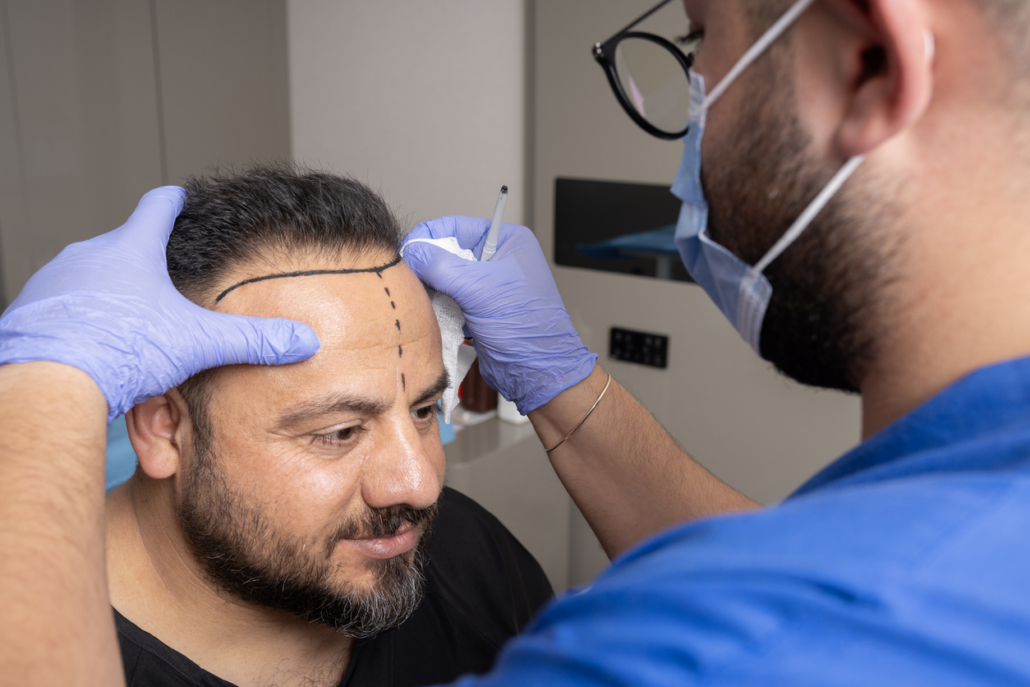
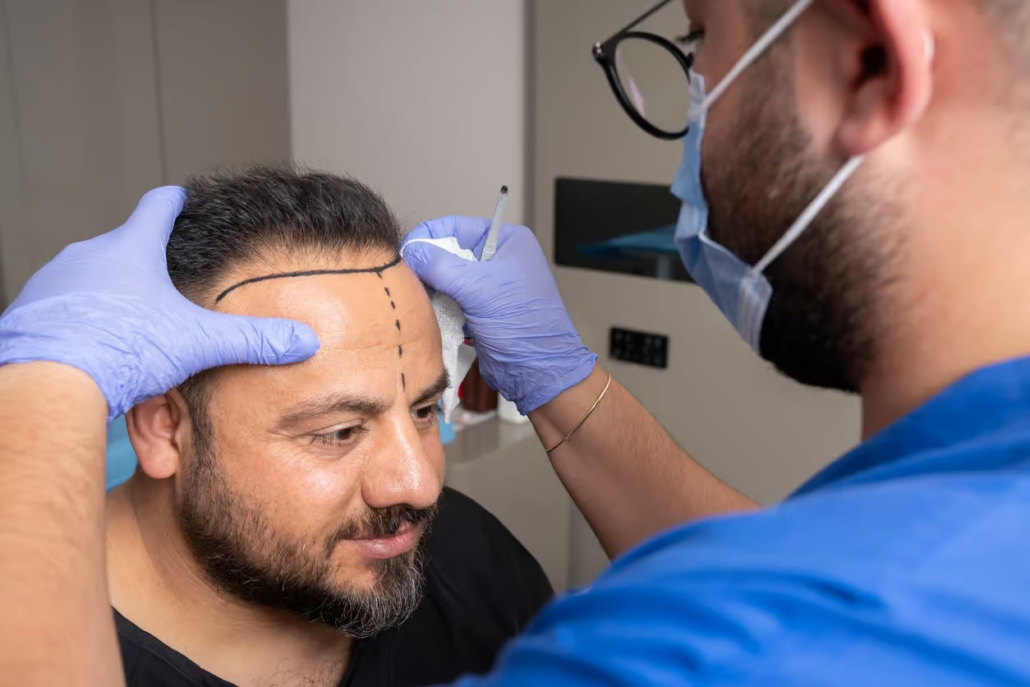
At Cendant Hair Restoration, that conversation is meant to happen before anyone discusses graft counts. Patients can start on the FUE hair transplant page.
Signs you may want to wait
You may not be ready if loss is still rapidly changing, if the donor area is already thin, or if you want a hairline that does not match your age or facial structure. Waiting is not a failure. Stabilizing medical therapy, when appropriate, can protect native hair so a later session uses grafts more carefully.
In short, you are ready when a licensed physician can map a plan you understand, and you accept that density is built in stages. Book a consult if those conditions sound like you. Results vary by donor supply, age, and aftercare.

